HACK LINKS - TO BUY WRITE IN TELEGRAM - @TomasAnderson777 Hacked Links Hacked Links Hacked Links Hacked Links Hacked Links Hacked Links cryptocurrency exchange 100Services Shop VapeCiga & Get Exclusive Savings Learn More About the Program hi88 new88 789bet 777PUB mega888 1xbet 1xbet plinko Tigrinho Interwin

SLS PRINTING

Selective laser sintering

- HIGH COMPLEXITY - LARGE NUMBERS -

3D Printing with SLS Printing

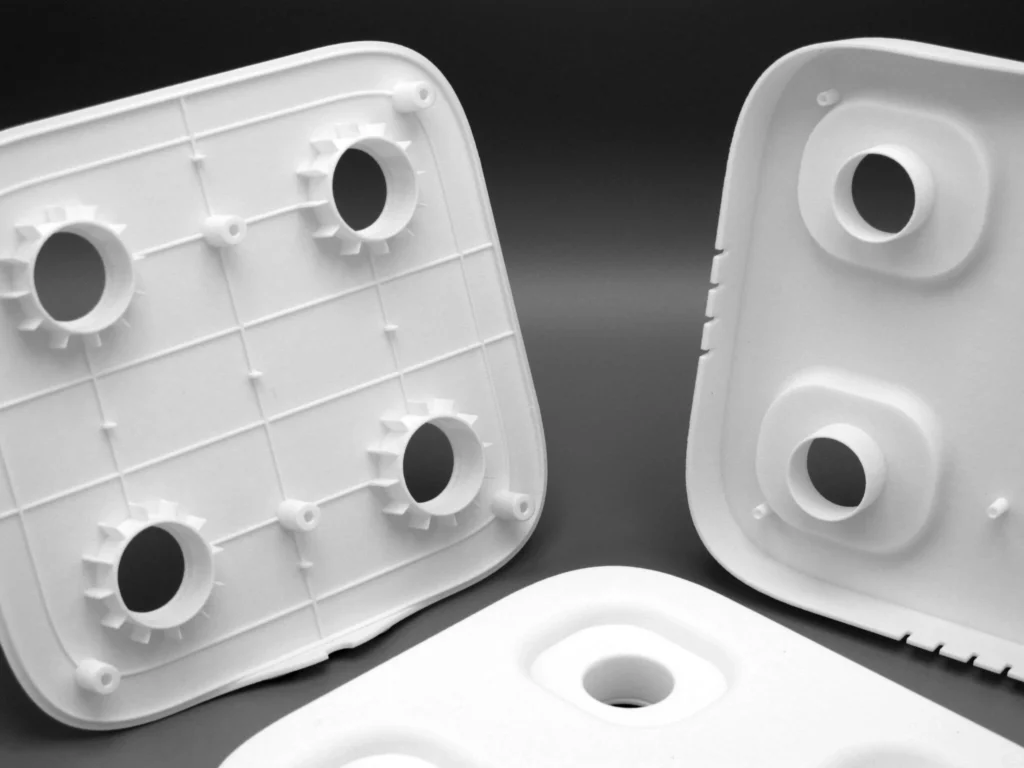
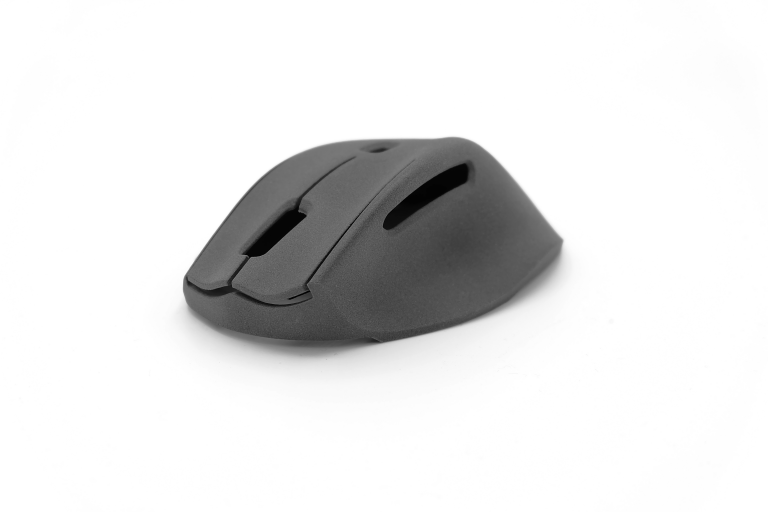
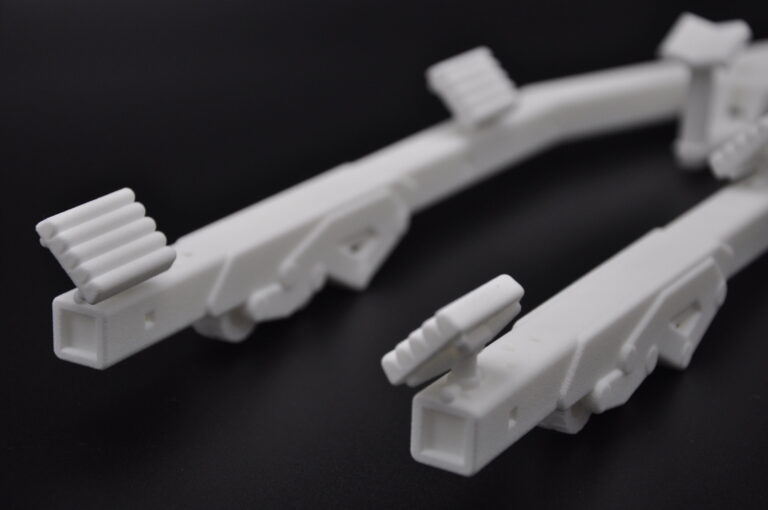
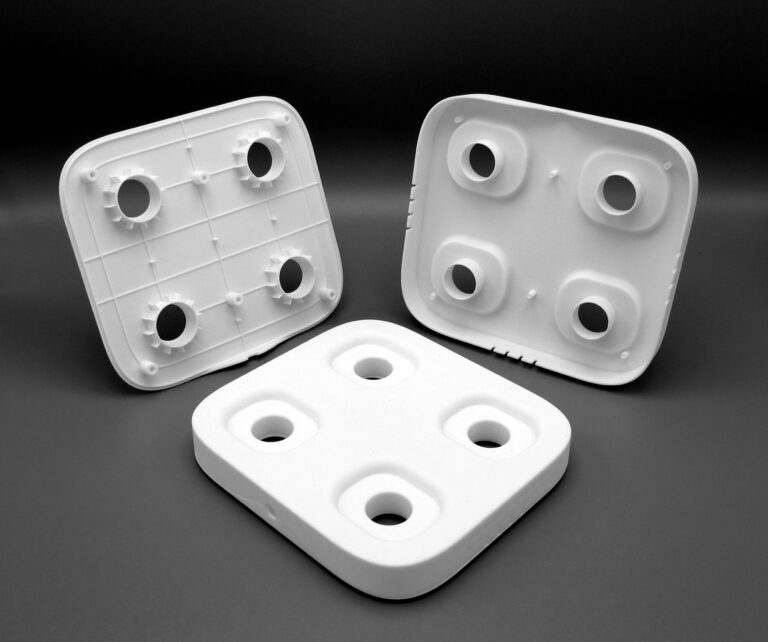
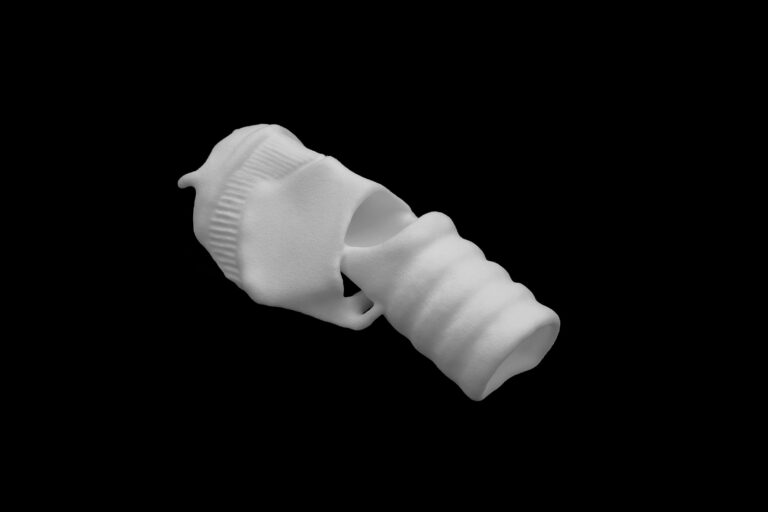
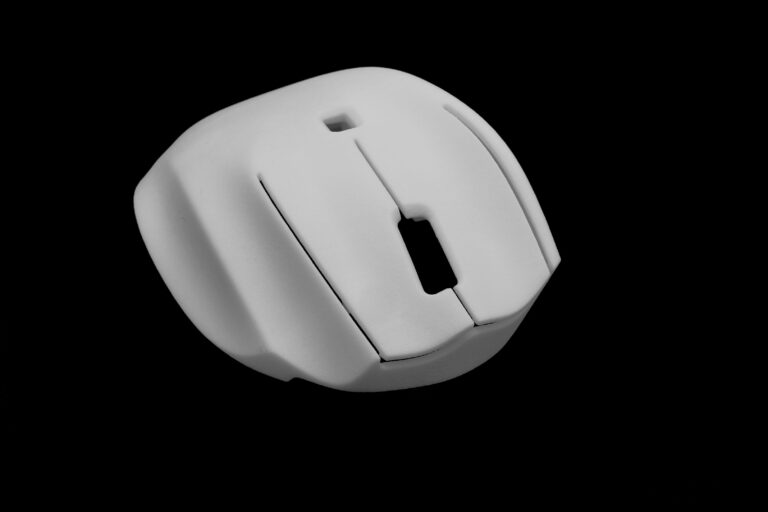
Selective laser sintering (SLS) är idealt för tillverkning av slutprodukter, prototyper, designmodeller och komplexa geometrier i antal upp till 1000 st per år.  Tillverkningen av detaljer sker genom att plastpulver sintras av en eller flera lasrar vilket gör att detaljerna byggs upp lager för lager. Resultatet är geometrier med isotropa materialegenskaper och en grynig ytstruktur som går att lacka, färga in eller polera. Detaljerna blåses rena med tryckluft och blästras för att få bort löst pulver från detaljerna, men visst pulver kan finnas kvar och speciellt i trånga utrymmen. För detaljer med tjockt gods används ofta skin-and-core vilket innebär att detaljen printas med en specifik väggtjocklek och får en infill-struktur med löst pulver i detaljens kärna. Andra metoder för utskrifter i 3D som vi arbetar med är bland annat SLA printing and MJF printing. Not sure which process suits your purpose best? click here.

Process dataValue
Standard tolerance± 0.3% (minimum limit ±0.3 mm)
Layer thickness 0.12 mm
Minimum wall thickness0.8 mm
Minimal detail0.8 mm
Surface finish (blasted)60 ± 30 Rz
Largest component size500 x 280 x 315 mm

*the above data depends on the choice of material.

SLS PA12

Nylon 12, eller PA12, är nog vårt mest versatila material som fungerar för de flesta ändamål och passar för såväl funktionella serietillverkade slutprodukter som för design- och arkitektmodeller. PA12 kan färgas in till i princip alla färger men är inte lika slagtåligt som PP utan är hårdare och styvare men inte riktigt lika tåligt som PA11. PA12 finns som glas eller aluminiumförstärkt.

Egenskaper

Färger

*click to enlarge*

Materials for SLS Printing

PA12 (Nylon 12)

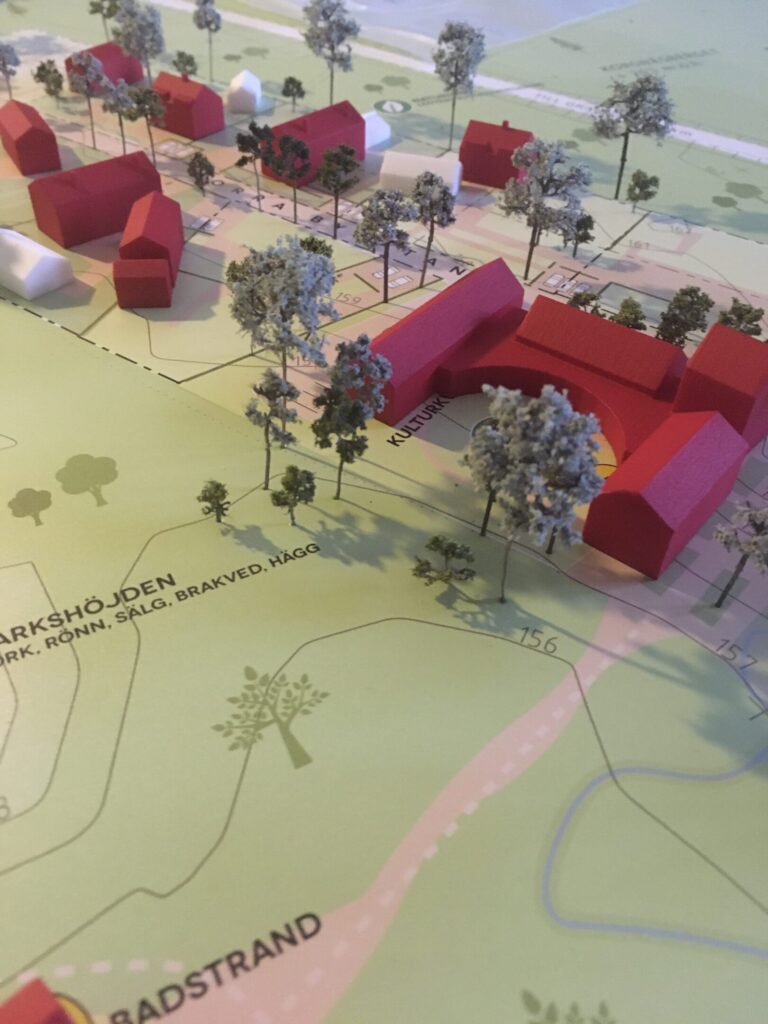
PA12 is by far the most common material for the SLS process. It is not as elastic as PP and PA11 but is harder, stiffer and can be dyed in a variety of colors. The PA12 is perfect for small-scale manufacturing, functional and visual prototypes and architectural models.

  • Fine grainy surface finish
  • Dimensionally stable
  • PA12 is white if it is not dyed or varnished in the desired colour
  • Works well for most purposes and also mass production
  • Available as glass and aluminum reinforced
Material dataUnitValue
Tensile strength (x/y/z)MPa47/47/41
E-module (x/y/z) MPa 1600/1600/1550
Flexural strength MPa 40
Flexural modulus xMPa 1500
Charpy impact test (23°C) kJ/m² 52 ± 2
Charpy notched impact test (23°C) kJ/m² 4.5 ± 0.1
Elongation at break (x/y/z) % 5/19/19 (± 2)
Shore D Hardness 74 ± 2
Density g/dm³ 930
Heat resistance temperature (1.8 MPa) °C 85

PA12-GF (Glass Reinforced Nylon 12)

Glass-reinforced PA12 has much higher heat resistance than regular PA12. The glass particles also provide increased stiffness and resistance to wear, which makes this material suitable for hard wear parts with low friction that must also withstand high temperatures.

  • Same fine surface finish as PA12
  • Withstands higher temperatures than PA12
  • PA12-GF is white unless it is dyed or varnished in the desired colour
  • Very suitable material for parts with high wear
Material dataUnitValue
Tensile strength (x/y/z)MPa51 ± 3
E-module (x/y/z) MPa 3200±200
Flexural modulusMPa 2900 ± 150
Charpy impact test (23°C) kJ/m² 35 ± 6
Charpy notched impact test (23°C) kJ/m² 5.4 ± 0.6
Elongation at break (x/y/z) % 6 ± 3
Shore D Hardness 80 ± 2
Density g/dm³ 1220
Heat resistance temperature (1.8 MPa) °C 110

PA11 (Nylon 11)

PA11 is the perfect material for functional prototypes and details to be manufactured in small series where high demands are placed on strength. Compared to PA12, PA11 is grey, has higher elasticity and a slightly rougher surface structure. 

  • High strength and elasticity
  • Slightly rougher surface structure than PA12
  • The color of PA11 is grey
  • Perfect for functional prototypes or small series
Material dataUnitValue
Tensile strength MPa51
E-module MPa 1700
Flexural strengthMPa 62
Flexural modulusMPa 1200
Charpy impact test (23°C) kJ/m² 62
Charpy notched impact test (23°C) kJ/m² 179
Elongation at break (x/y/z) % 51
Shore D Hardness 80
Density g/dm³ 1050
Heat Resistance Temperature (HDT A/B)°C 47

PP (Polypropylene)

PP is softer than both PA12 and PA11, which makes PP ideal for parts that need to be more flexible, such as parts with hinges and snap fasteners. The surface structure is similar to PA12 and PA11, namely grainy and smooth. If you want more rubber-like details, TPU with the MJF or FDM process is recommended.

  • Very high ductility
  • Smooth surface texture
  • Works well for large and small series
  • Perfect for functional details that are desired to be a little flexible
Material dataUnitValue
Tensile strength MPa21 ± 2
E-module MPa 902 ± 4
Flexural strengthMPa 20 ± 5
Flexural modulusMPa 693 ± 3
Charpy impact test (23°C) kJ/m²
Charpy notched impact test (23°C) kJ/m²
Elongation at break (x/y/z) % 530 ± 5
Shore D Hardness
Density g/dm³ 820
Heat Resistance Temperature (HDT A/B)°C